
Industrial Fluid Resources | Guides, Specs & Support
Industrial Fluid Resources
Industrial lubrication decisions affect uptime, safety, and long-term equipment reliability.
This page provides practical information to help maintenance teams, engineers, and procurement groups make informed decisions around hydraulic fluids, turbine oils, gear oils, compressor oils, greases, transformer oils, heat transfer fluids, metalworking fluids, immersion cooling fluids, and condition monitoring programs.
These resources are designed to support evaluation, not replace manufacturer specifications.
Fluid Selection Guides
Selecting the correct industrial fluid requires alignment with equipment type,
operating temperature, load conditions, and internal compliance requirements.
Hydraulic Fluids
Used in mobile and stationary systems where pressure, contamination control, and temperature stability matter. Selection often depends on ISO viscosity grade, anti-wear properties, and environmental constraints.
Related page:
https://ironvaleenergygroup.com/hydraulic-fluids
Turbine Oils
Applied in gas and steam turbines where oxidation resistance, cleanliness, and spec alignment are critical. Selection must match site and OEM requirements.
Related page:
https://ironvaleenergygroup.com/turbine-oils
Industrial and Wind Gear Oils
Used in enclosed gearboxes under high load. Wind applications require packaging integrity and documentation discipline.
Related page:
https://ironvaleenergygroup.com/gear-oils
Compressor Oils
Applied in rotary screw and reciprocating compressors. Oil type depends on compressor design, operating temperature, and duty cycle.
Related page:
https://ironvaleenergygroup.com/compressor-oils
Transformer Oils and Dielectric Fluids
Used in power and distribution transformers for insulation and cooling. Documentation, moisture control, and traceability are often required.
Related page:
https://ironvaleenergygroup.com/transformer-oils
Heat Transfer Fluids
Used in process heating systems. Fluid selection depends on operating temperature range and regulatory considerations.
Related page:
https://ironvaleenergygroup.com/heat-transfer-fluids
Metalworking Fluids
Applied in machining environments. Selection involves concentration control, contamination management, and equipment compatibility.
Related page:
https://ironvaleenergygroup.com/metalworking-fluids
Immersion Cooling Fluids
Used in certain data center environments. Spec alignment and documentation handling are critical.
Related page:
https://ironvaleenergygroup.com/immersion-cooling-fluids
Documentation and Compliance Reference

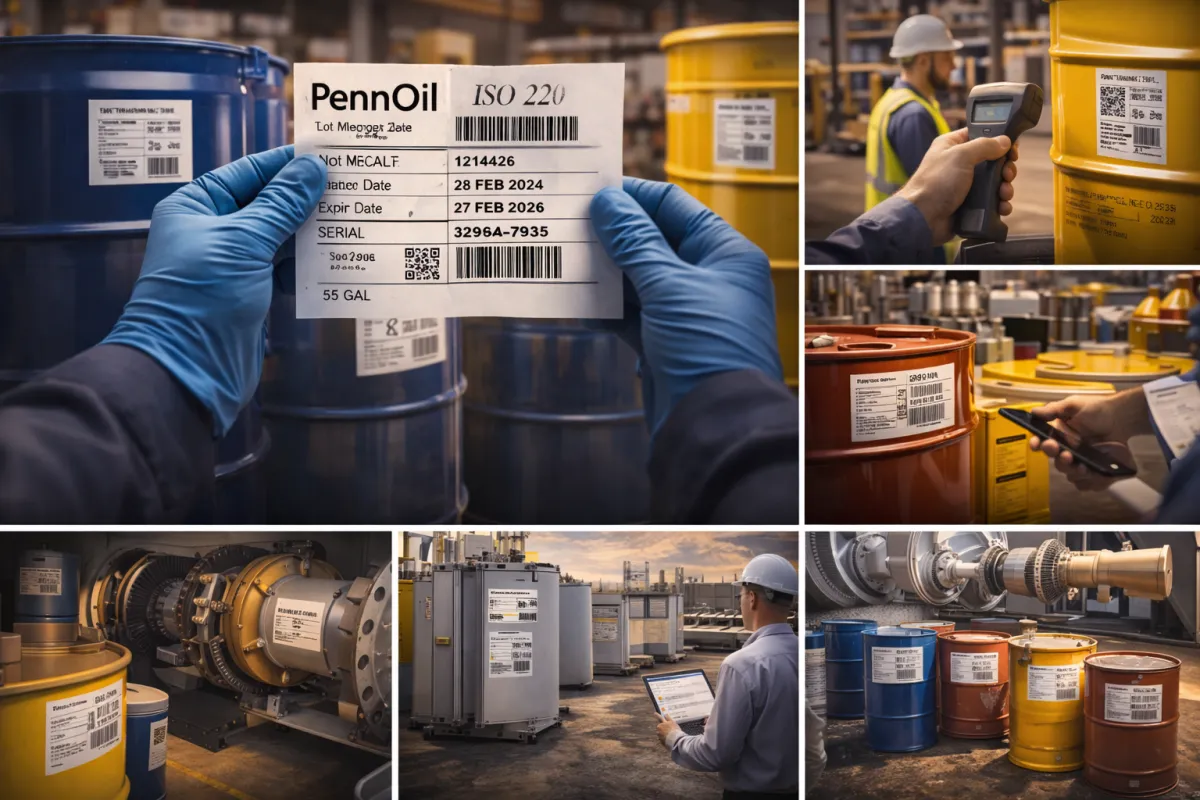
Industrial buyers frequently require:
- Safety Data Sheets
- Certificates of Analysis
- Batch identification
- Chain-of-custody documentation
Understanding documentation expectations before ordering reduces delays and internal review friction.
See:
https://ironvaleenergygroup.com/documentation-and-compliance
Bulk and Packaged Supply Planning
Facilities consume fluids in different formats.
Planning considerations include:
- Storage capacity
- Handling equipment
- Replenishment cycles
- Project-based staging
- Receiving constraints
Understanding how your site stores and transfers fluids helps structure supply correctly.
See:
https://ironvaleenergygroup.com/bulk-and-packaged-supply

Logistics Coordination Guidance
Industrial fluid deliveries must align with:
- Site access requirements
- Scheduled outages
- Receiving windows
- Packaging handling capabilities
Clear coordination reduces disruption.
See:
https://ironvaleenergygroup.com/logistics-and-fulfillment
Used Oil Analysis and Condition Monitoring
Fluid condition monitoring supports proactive maintenance.
Typical program components include:
- Sample collection kits
- Laboratory testing coordination
- Trend reporting
- Maintenance planning discussions
Used oil analysis can support lubricant life decisions and equipment health reviews.

Common Questions Buyers Research

Below are topics frequently reviewed by maintenance and procurement teams:
- What ISO viscosity grade should be used in hydraulic systems?
- How often should turbine oil be tested?
- What affects gearbox oil life?
- When should compressor oil be changed?
- What documentation is required for transformer oil supply?
- How is heat transfer fluid degradation monitored?
- What affects immersion cooling fluid selection?
- How should industrial greases be stored?
Specific answers depend on equipment and operating conditions. Manufacturer guidance should always be referenced.
Practical Supply Considerations
Before placing an order, buyers typically review:
- Equipment model and manufacturer requirements
- Viscosity grade
- Operating temperature range
- Contamination exposure risk
- Storage and transfer method
- Required documentation
- Delivery timing
Preparation improves supply accuracy.

Who Uses These Resources
These materials are intended for:
- Maintenance managers
- Reliability engineers
- Procurement teams
- Plant managers
- Operations directors
- Project engineers
Industrial fluid selection is rarely a marketing decision. It is an operational decision.

FAQ
Do you provide pricing immediately?
Pricing depends on specification confirmation and volume details.
Can you review our current lubricant list?
Yes, if equipment type and volume data are provided.
Do you support emergency supply?
Availability depends on product and logistics alignment.
Do you handle regulated or spec-heavy environments?
When documentation requirements are clearly defined, alignment can be reviewed.
Can you support multiple facilities?
Yes, when volume and location details are provided.
Connect with us
Follow us on social media

© Copyright 2026. All rights reserved.
Privacy Policy
Terms and Conditions