Logistics & Fulfillment | Industrial Fluids Delivery
Logistics and Fulfillment
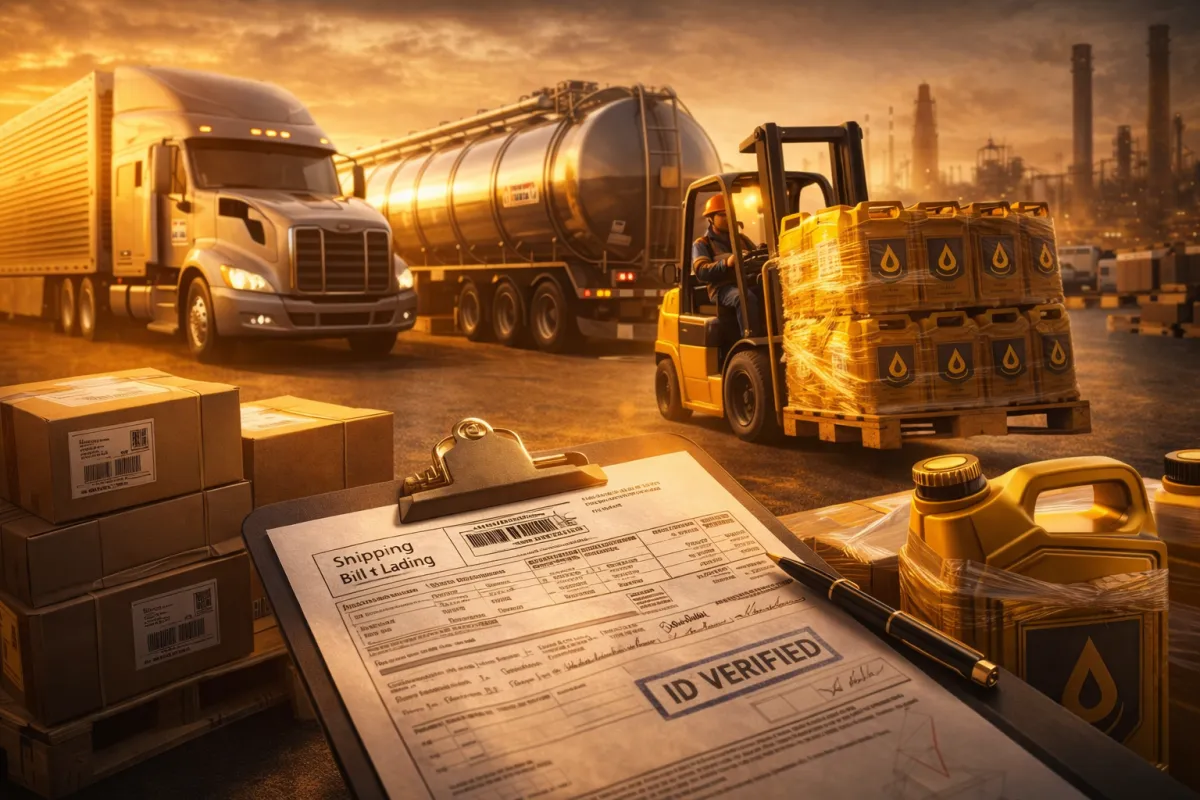
Industrial sites operate on schedules. Missed deliveries create operational exposure.
Fluid supply is rarely a single pallet dropped at a dock. It involves planning around storage capacity, outage windows, access limitations, and internal receiving procedures.
Logistics is not an add-on. It is part of supply execution.
Understanding Industrial Delivery Constraints
Industrial environments vary widely.
Some facilities require:
- Scheduled receiving windows
- Pre-cleared delivery personnel
- Safety orientation compliance
- Specific unloading equipment
- After-hours delivery coordination
Power plants, data centers, refineries, and mining operations often operate under tight access controls.
Planning matters.
Bulk and Packaged Formats
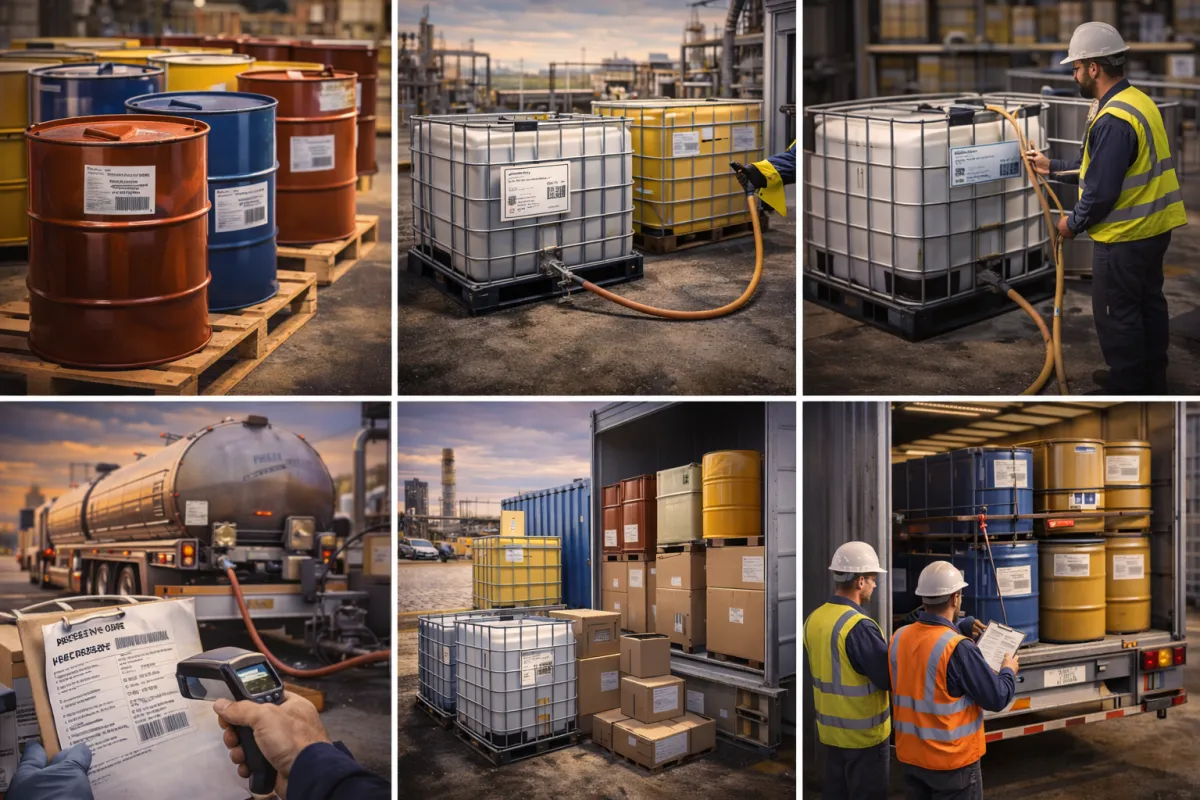
Industrial fluid consumption varies by application.
Delivery formats may include:
- Sealed drums
- Totes
- Structured bulk supply
- Staged deliveries across multiple shipments
The correct format depends on:
- Storage capacity
- Pumping systems
- Handling equipment
- Consumption rate
Oversupplying creates storage risk. Undersupplying creates downtime risk.
Supply is structured accordingly.
Coordinating Around Shutdowns and Outages
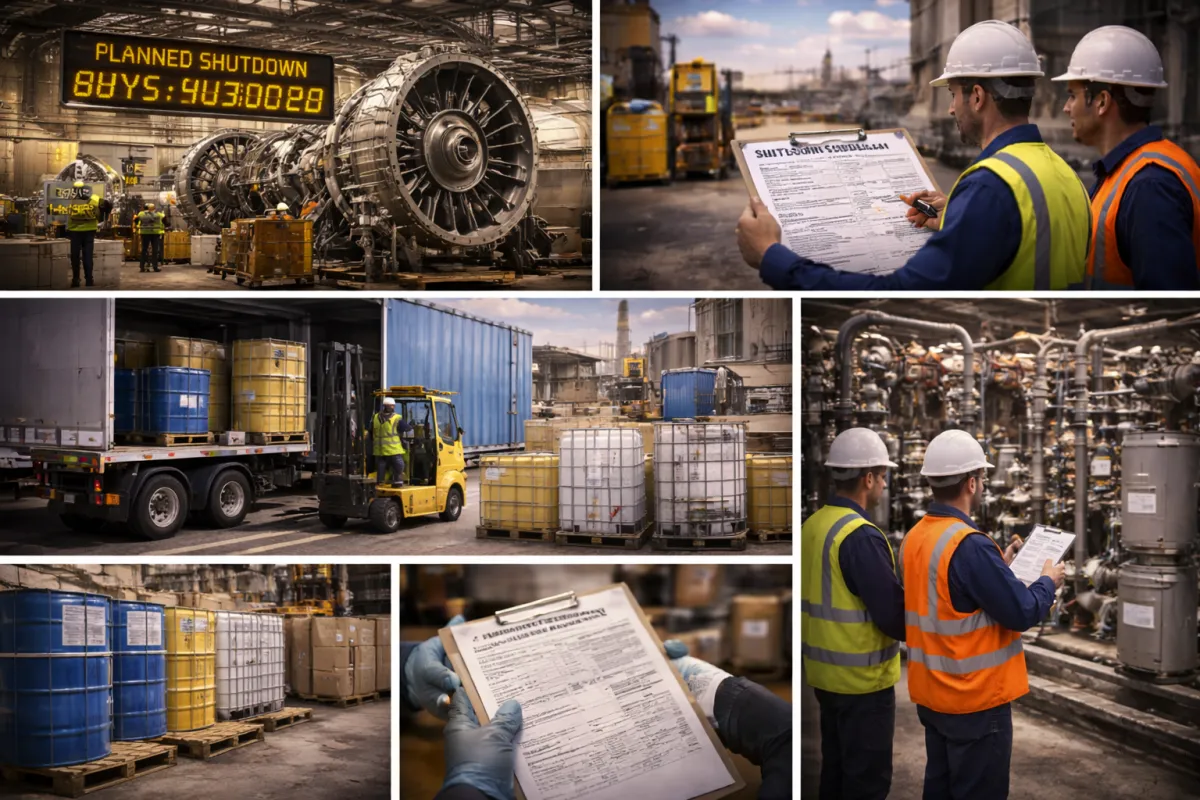
Planned maintenance events often drive large fluid purchases.
Examples include:
- Turbine overhauls
- Transformer refill projects
- Gearbox service intervals
- Heat transfer system maintenance
These events require:
- Timing precision
- Documentation readiness
- Clear staging plans
- Confirmed product alignment
Missed windows increase cost exposure.
Packaging Integrity and Handling
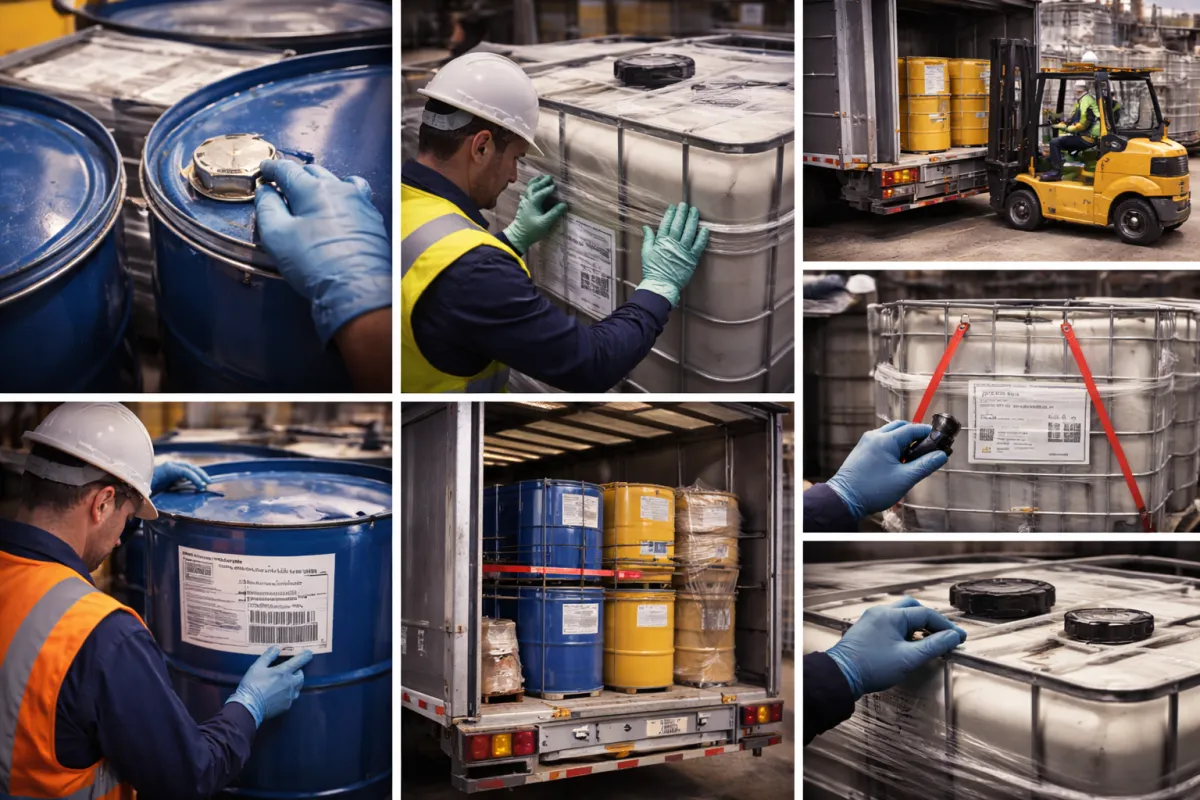
Industrial fluids must arrive in acceptable condition.
Considerations include:
- Drum seal integrity
- Tote structural condition
- Label clarity
- Contamination prevention
- Protection during transit
Particularly for high-spec applications such as wind turbine gearbox oils and transformer oils, packaging integrity matters.
Handling discipline supports reliability.
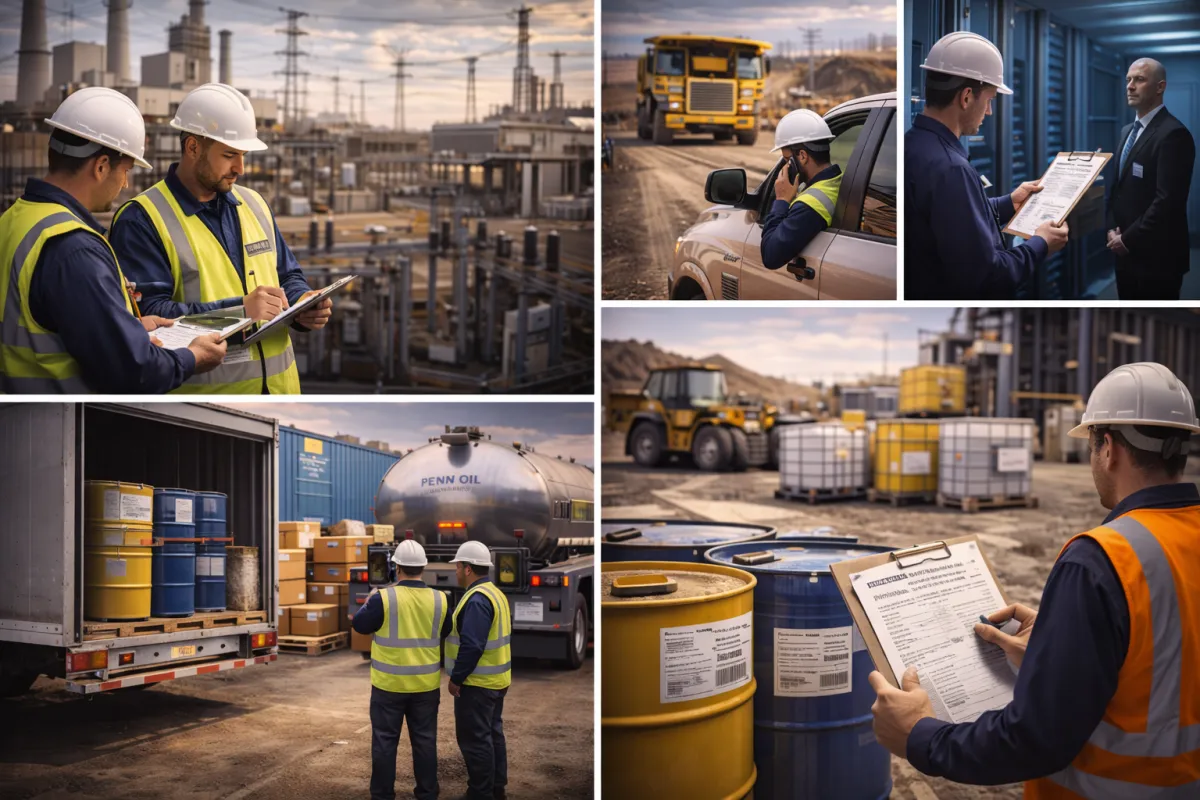
Multi-Industry Coordination
Different industries create different logistical requirements.
Power generation facilities may require strict scheduling and documentation review.
Mining sites may require remote coordination and large-volume staging.
Data centers may require controlled access and precise timing.
Manufacturing facilities may operate continuous receiving schedules.
Understanding operational rhythm reduces friction.
Planning vs Emergency Fulfillment
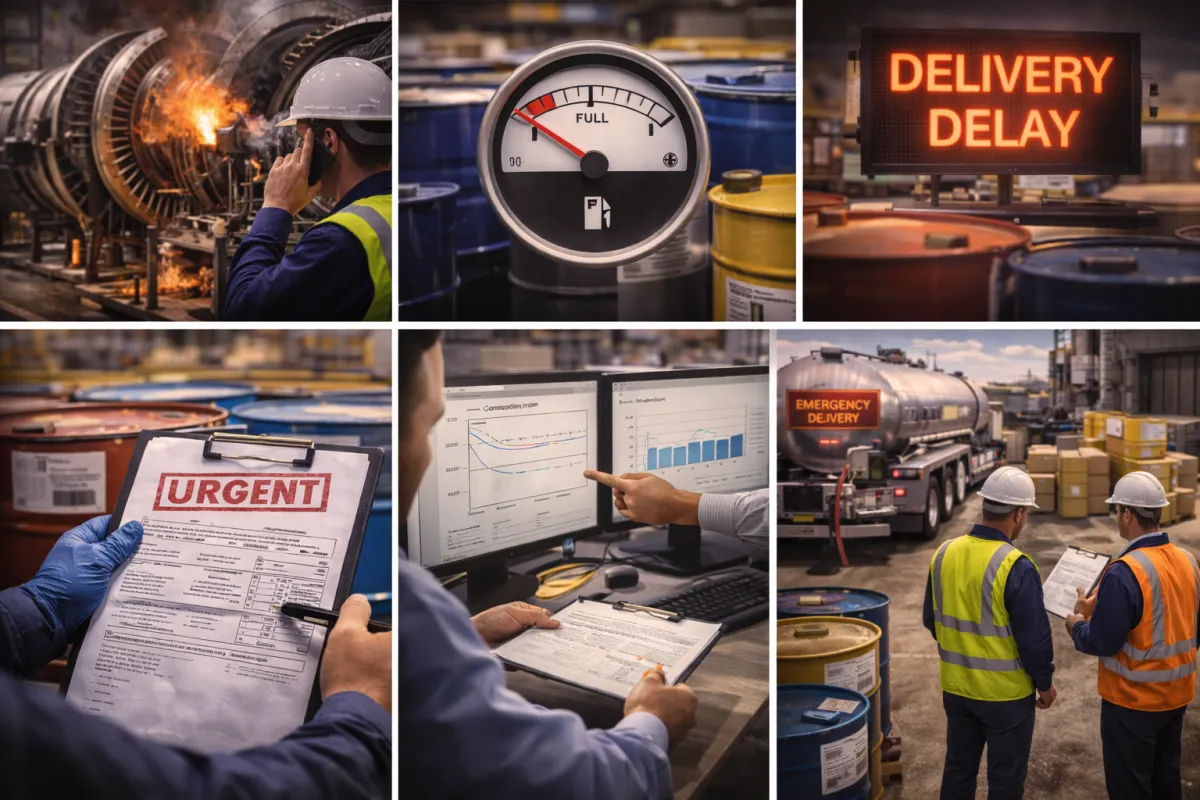
Emergency shipments occur. They often result from:
- Unexpected equipment failure
- Inventory miscalculation
- Delivery disruption
Proactive planning reduces these events.
When possible, consumption forecasting and replenishment scheduling are discussed in advance.
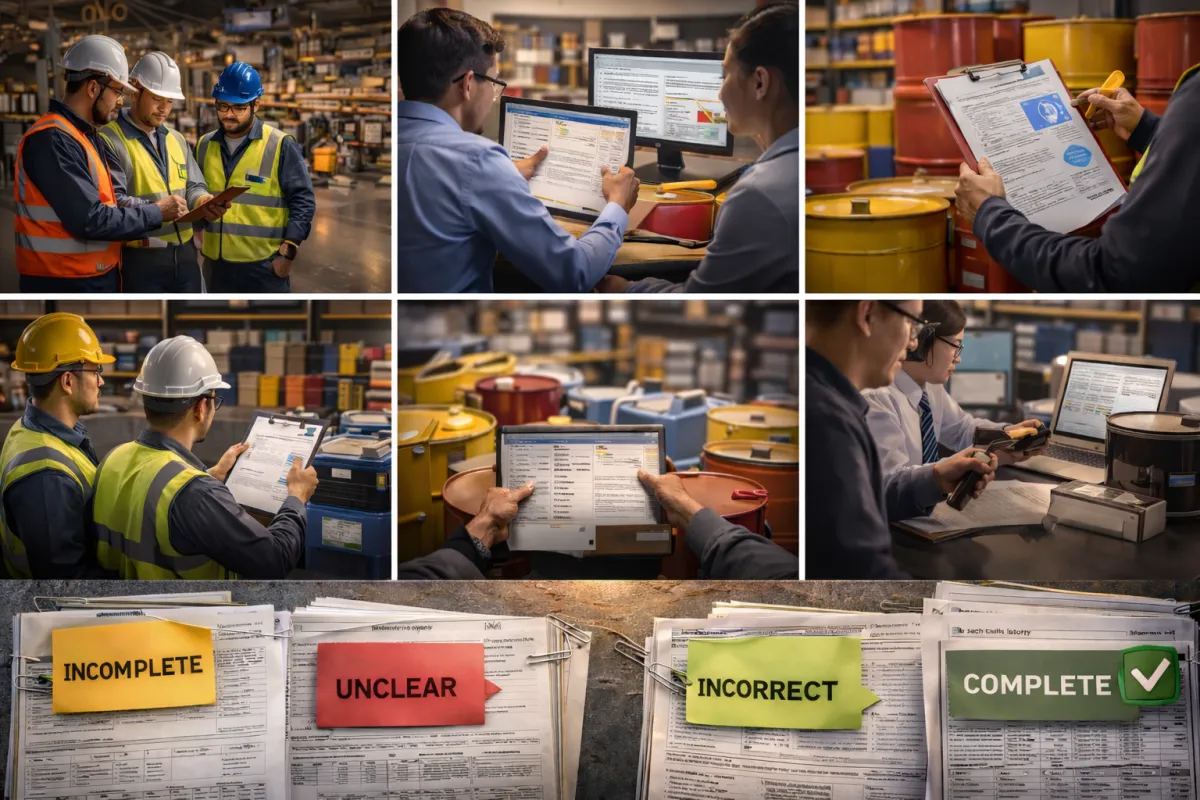
What Buyers Typically Need From Us
- Clear communication on delivery timing
- Confirmation of product availability before shutdown windows
- Packaging appropriate for site handling equipment
- Coordination with receiving departments
- Documentation attached to shipments
- Flexibility for staged project delivery
- Support for repeat replenishment cycles
Requirements vary by site and industry.
How to Request a Quote
If your facility requires structured delivery planning, staged supply, or coordination around maintenance events, provide your location, fluid category, and required timing.
FAQ
Do you support bulk deliveries?
Bulk and packaged formats are supported when aligned with site requirements.
Can deliveries be staged for large projects?
Yes, when coordinated in advance.
Do you deliver during outages?
Delivery timing is aligned to project schedules when communicated clearly.
What if site access requires pre-approval?
Access requirements should be communicated prior to shipment.
Do you support remote mining locations?
Logistics planning depends on access and transport conditions.
How do you protect packaging integrity?
Packaging handling expectations are aligned prior to shipment.
Connect with us
Follow us on social media

© Copyright 2026. All rights reserved.
Privacy Policy
Terms and Conditions